
In today’s globalized economy, China stands as a powerhouse for manufacturing and exporting building materials. From tiles and steel to cabinets and lighting fixtures, Chinese suppliers offer a vast array of products at competitive prices, often 30-50% lower than those in Western markets. This cost advantage has made China the go-to destination for construction companies, developers, and even individual builders looking to optimize their budgets without compromising on quality. However, navigating this landscape isn’t without challenges. With thousands of suppliers vying for attention, distinguishing reliable partners from unreliable ones is crucial to avoid scams, subpar products, or logistical nightmares.
The appeal of sourcing from China lies in its massive manufacturing output, estimated at over RMB 33 trillion in recent years, enabling rapid scaling and customization. But risks such as quality variability, communication barriers, and intellectual property concerns demand a strategic approach. This blog will guide you through a step-by-step process to select trustworthy suppliers, drawing on expert insights and best practices. Whether you’re a seasoned importer or a first-timer, these tips will help you build strong partnerships and ensure your projects succeed. By the end, you’ll be equipped to make informed decisions that save time, money, and headaches.
Sourcing building materials like ceramics from Foshan or furniture from Dongguan can transform your supply chain, but only if done right. Let’s dive into the essentials.
Understanding the Chinese Building Materials Market
China’s building materials industry is diverse and regionally specialized, which is key to efficient sourcing. For instance, Foshan is renowned for tiles and sanitaryware, while Zhongshan excels in lighting and bathroom products. Dongguan focuses on custom furniture, and Shandong on wood panels and doors. This specialization stems from clustered supply chains that reduce costs and improve efficiency.
Why choose China? Beyond low labor and material costs, suppliers often hold international certifications like ISO or CE, ensuring compliance with global standards. The country’s advanced infrastructure supports 24/7 operations and scalable production, ideal for large projects. However, challenges include tariff fluctuations, shipping delays (typically 4-8 weeks), and cultural differences that can lead to misunderstandings.
To succeed, recognize that not all suppliers are equal. Manufacturers produce from raw materials and offer customization, while trading companies resell standard goods with lower minimum order quantities (MOQs). Deciding between them depends on your needs: opt for manufacturers for bespoke items and traders for quick, off-the-shelf supplies.
Visualizing these hubs can help; here’s a glimpse into a typical Chinese building material factory, showcasing organized production lines that highlight the scale of operations.
Defining Your Needs
Before reaching out to suppliers, clearly outline your requirements. List specific materials, quantities, quality standards, and timelines. For building materials, this might include dimensions for steel beams, durability ratings for tiles, or eco-friendly certifications for wood products.
Consider compliance with regulations like FDA for certain coatings or CE for electrical components. Factor in branding, packaging, and anticipated order growth over 6-12 months. Budgeting is critical—set a target unit cost and include buffers for shipping and duties.
This step prevents mismatched expectations. For example, if you need custom kitchen cabinets, specify materials like solid wood versus particleboard to avoid surprises. By being precise, you’ll attract suppliers who can genuinely meet your demands, streamlining the selection process.
Finding Potential Suppliers
Start your search on reputable platforms. Alibaba is the largest, with supplier ratings and verified badges, but beware that “Gold Supplier” status can be paid for. Made-in-China offers price comparisons, and Global Sources vets suppliers in specific industries.
Attend trade shows like the Canton Fair for in-person networking. Regional hubs like Yiwu for commodities or Shenzhen for specialized goods are goldmines. Use Google searches with keywords like “tile manufacturer Foshan” to find direct factories.
Leverage business networks for referrals, as they often lead to proven suppliers. Avoid red flags like generic product photos or unrelated categories on profiles. Aim to shortlist 5-10 suppliers per material for thorough evaluation.
Here’s an image of a modern Chinese manufacturing facility, illustrating the professional setup you should look for in potential partners.
Aluminum Composite Panel | About Shanghai Jixiang Building …
Verifying Supplier Reliability
Verification is non-negotiable to sidestep scams. Request business licenses, VAT invoices, and operating permits—cross-check them via China’s Bureau of Industry and Commerce. Ask for client references and past export records.
If possible, visit the factory or hire a sourcing agent for on-site checks. Look for active production lines, not just showrooms. Reliable suppliers provide real-time photos or videos of processes.
Watch for warning signs: no landline, refusal to share licenses, or quotes far below market rates. Use third-party services for audits to confirm capabilities and financial stability.
For building materials, ensure they have experience with exports to your country to handle customs smoothly.
Quality Control and Inspections
Quality assurance starts with samples. Request multiple units to test consistency, durability, and specs—conduct stress tests if needed. Lock approved samples into contracts.
Implement a three-stage inspection: Pre-Production (PPI) for materials, During Production (DUPRO) for methods, and Pre-Shipment (PSI) for final goods and packaging. Use Acceptable Quality Limits (AQL), like 2.5% defects for general items.
Hire independent inspectors for high-value orders. For fragile materials like tiles, include drop tests. This mitigates risks of defects arriving at your doorstep.
An inspection scene in a Chinese factory demonstrates the hands-on checks essential for maintaining standards.

Negotiation and Contracts
Once verified, negotiate terms. Compare quotes from 2-3 suppliers on price, MOQs, and payment (e.g., 30% deposit, balance on shipment). Use leverage like volume commitments for discounts.
Secure payments via escrow, letters of credit, or trade assurance to limit exposure. Contracts should detail specs, timelines, penalties for delays, and IP protection clauses.
Build relationships through clear communication—use WeChat for updates but email for records. Be prepared to walk away if terms don’t align.
Logistics and Shipping
Arrange shipping through freight forwarders for container booking (FCL or LCL) and customs handling. Factor in port proximity—coastal cities like Shenzhen offer faster access.
Include export documents and insurance in plans. Some suppliers offer door-to-door services; clarify upfront. Anticipate 4-8 week lead times and build buffers.
For building materials, proper packaging prevents damage during transit.
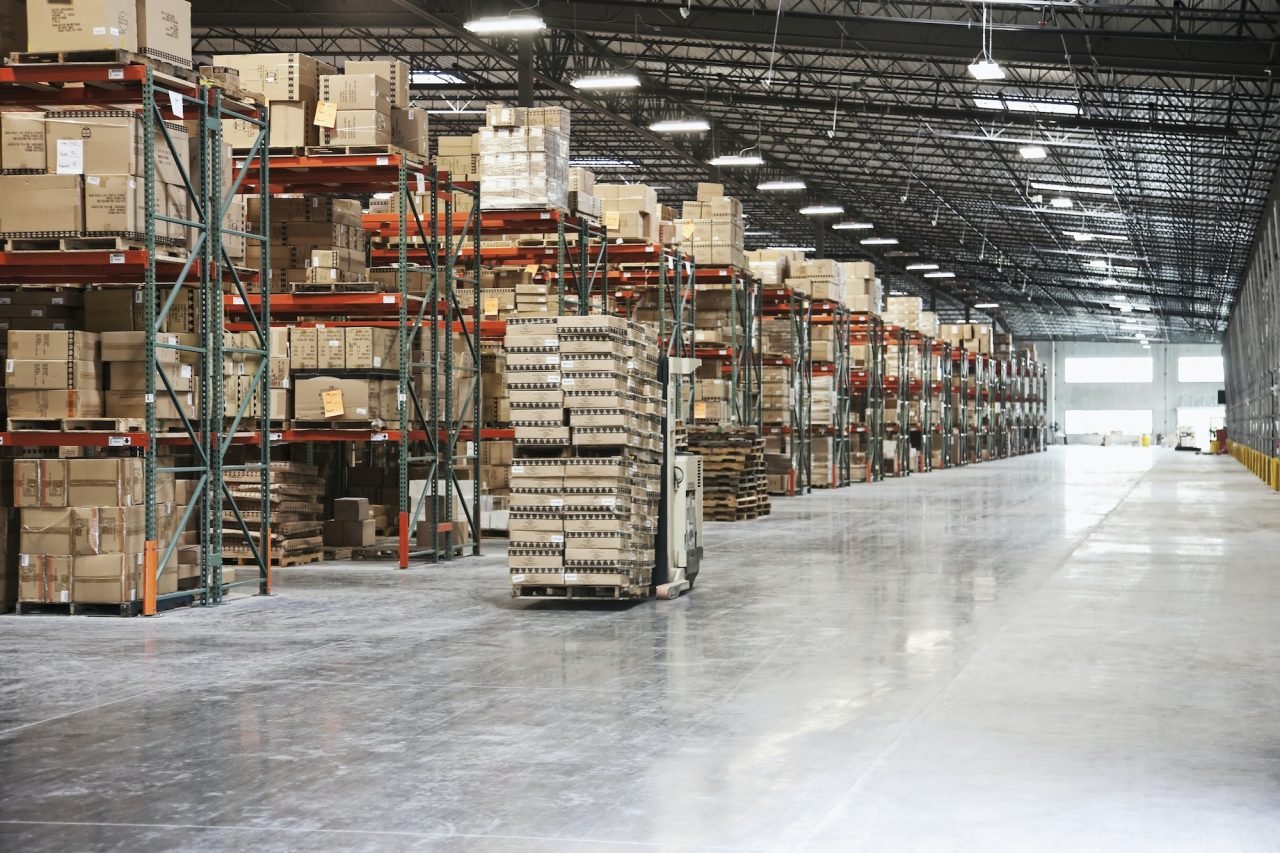
Visualize the process with this image of prepared shipments in a Chinese warehouse, ready for export.

Avoiding Common Pitfalls
Common mistakes include rushing verification, ignoring cultural nuances, or over-relying on platforms without checks. Protect IP with NDAs and local registrations.
Diversify suppliers to avoid dependency. For beginners, start with agents to navigate complexities before going direct.
Stay updated on tariffs and regulations to prevent surprises.
Conclusion
Choosing reliable building material suppliers from China requires diligence, but the rewards—cost savings, quality products, and scalable supply—are substantial. By defining needs, researching thoroughly, verifying credentials, ensuring quality, negotiating wisely, and managing logistics, you’ll forge partnerships that propel your projects forward. Remember, patience pays off; take time to build trust. With these strategies, you’re set to tap into China’s manufacturing might confidently. Happy sourcing!


One Response
Hi, this is a comment.
To get started with moderating, editing, and deleting comments, please visit the Comments screen in the dashboard.
Commenter avatars come from Gravatar.