
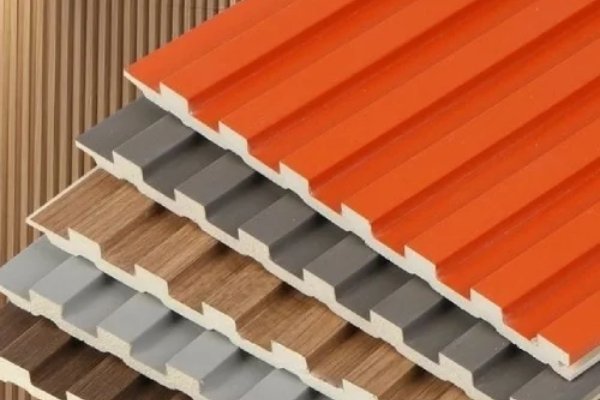
Importing wall panels from China can be a game-changer for businesses in construction, interior design, or home improvement. China dominates the global market for building materials, producing high-quality wall panels at competitive prices—often 30-50% cheaper than sourcing locally. Whether you’re looking for decorative 3D panels, acoustic panels, WPC (Wood-Plastic Composite) panels, MDF, PVC, or even natural stone veneers, China offers an vast array of options. With advancements in manufacturing technology and improved trade practices, importing has become more accessible, but it still requires careful planning to avoid pitfalls like quality issues, scams, or delays.
This step-by-step guide draws from expert insights and real-world practices to help you navigate the process. We’ll cover everything from product selection to customs clearance, aiming to make your import journey smooth and profitable. Expect to invest time in research and possibly hire professionals like sourcing agents for the best results. By the end, you’ll have a clear roadmap to successfully import wall panels, potentially boosting your margins and expanding your product line. Let’s dive in.
Step 1: Determine Your Product and Conduct Market Research
The foundation of a successful import starts with clarity on what you want. Wall panels come in various types, each suited for different applications. For instance, acoustic panels are ideal for soundproofing in offices or homes, while WPC panels offer durability and eco-friendliness for outdoor or moist environments. MDF and PVC panels are budget-friendly for interior decoration, and 3D panels add a modern, textured aesthetic.
Begin by defining your needs: What material? What size, thickness, and finish? Consider factors like durability, fire resistance, moisture resistance, and certifications (e.g., ISO 9001 for quality or environmental standards). Research market demand in your country—check trends on platforms like Google Trends or industry reports. Calculate potential profits by comparing Chinese wholesale prices (often $5-20 per square meter, depending on type) with local retail prices.
Also, assess shipping feasibility. Wall panels can be bulky, so opt for compact, stackable designs to minimize freight costs. If you’re new, start small with samples to test the market. This step prevents costly mistakes later. According to sourcing guides, choosing a product you’re passionate about keeps you motivated through the process.
Step 2: Find Reliable Suppliers
Once your product specs are set, hunt for suppliers. China has thousands of manufacturers, but not all are equal. Use online platforms like Alibaba, Made-in-China, Global Sources, or China.cn to search keywords such as “WPC wall panels wholesale” or “3D wall panels exporter.” Filter for “Gold Suppliers” or “Verified Suppliers” to narrow down legitimate options—these labels indicate paid memberships but offer a starting point.
Attend trade shows for face-to-face interactions. The Canton Fair in Guangzhou or East China Fair in Shanghai are goldmines, showcasing wall panel innovations. If travel isn’t feasible, check virtual events or domestic shows with Chinese exhibitors, like CES in Las Vegas. Social media and forums (e.g., Alibaba Forum or Reddit’s r/ChinaSourcing) provide reviews and tips.
Specialized directories like China Yellow Pages list contact details and factory info. For wall panels, focus on hubs like Foshan (for tiles and panels) or Shandong (for wood-based products). Aim for a shortlist of 5-10 suppliers. Remember, some are middlemen—prioritize direct manufacturers to cut costs. Trading companies suit small orders but add markups.
Step 3: Verify Suppliers and Request Samples
Verification is crucial to avoid fraud. Request business licenses, export records, and factory addresses. Check for certifications like CE or RoHS for compliance with international standards. Use tools like VAT invoices or audited accounts to gauge financial stability.
Ask for customer references and testimonials—contact them to verify authenticity. Hire a third-party service (e.g., via Alibaba’s inspection partners) for factory audits, assessing production capacity, quality control, and worker conditions. For wall panels, confirm they can meet technical specs, like custom sizes or finishes.
Order samples next. Pay a small fee (usually $50-200) to evaluate quality—test for color consistency, texture, durability, and installation ease. Samples help spot issues like warping or poor adhesion early. If the supplier refuses transparency, walk away. This step can save you from receiving subpar goods that fail building codes in your country.
Step 4: Negotiate Terms, Prices, and Contracts
Negotiation isn’t just about price—cover MOQ (Minimum Order Quantity, often 500-1000 sqm for panels), payment terms, delivery timelines, and warranties. Start with RFQs (Requests for Quotation) from multiple suppliers to leverage competitive bids.
Typical prices: PVC panels at $3-8/sqm, WPC at $10-20/sqm. Push for discounts on larger volumes or upfront payments. Discuss packaging to prevent damage during transit—e.g., foam wrapping for fragile 3D panels.
Use secure payment methods: 30% deposit via T/T (Telegraphic Transfer), balance after inspection. Avoid full upfront payments. For protection, opt for Alibaba Trade Assurance or letters of credit. Draft a clear contract outlining specs, penalties for delays, and dispute resolution. Language barriers? Hire a translator or agent.
Cultural tip: Build rapport—Chinese suppliers value long-term relationships over aggressive haggling. This can lead to better deals over time.
Step 5: Place the Order and Handle Payments
With terms agreed, place your order. Confirm all details in writing to avoid misunderstandings. Pay the deposit through legal channels—never use personal accounts or unregulated methods to dodge taxes or fees.
Monitor production via updates or visits. For first-timers, a sourcing agent (charging 3-10% commission) can oversee this, handling communication and ensuring timelines. Agents also negotiate hidden fees and prevent substandard substitutions.
Once production nears completion, pay the balance only after approval. This gives you leverage for fixes.
Step 6: Quality Control and Inspections
Quality is non-negotiable for building materials. Implement checks at multiple stages: raw materials, mid-production, and pre-shipment. Hire independent inspectors (e.g., from SGS or Bureau Veritas) for on-site visits—they’ll test for defects, dimensions, and compliance.
For wall panels, inspect for even coloring, strength (e.g., bend tests), and eco-standards. Drop tests ensure packaging withstands shipping. If issues arise, negotiate rework or discounts. Third-party reports provide unbiased evidence for disputes.
Skipping this can lead to recalls or legal troubles—remember, poor quality erodes trust in your brand.
Step 7: Arrange Shipping and Logistics
Shipping wall panels involves choosing between sea freight (cost-effective for bulk) or air (faster but pricier). Use FCL (Full Container Load) for large orders or LCL (Less than Container Load) for smaller ones. Freight forwarders handle booking, documentation (e.g., Bill of Lading, Commercial Invoice), and insurance.
Costs: $2,000-5,000 for a 20ft container from China to the US, plus duties. Track shipments via apps. Factor in lead times—4-6 weeks by sea. For door-to-door service, some agents include this.
Comply with international regs like fumigation for wood-based panels.
Step 8: Navigate Customs Clearance and Import Regulations
Customs can be tricky—hire a broker familiar with your country’s rules. In the US, for example, wall panels fall under HS codes like 4418 (wood panels) with duties of 0-8%. Provide accurate declarations to avoid fines.
Check for restrictions: Ensure panels meet safety standards (e.g., no formaldehyde emissions exceeding limits). Prepare docs: Invoice, Packing List, Certificate of Origin. Pay duties, taxes, and VAT promptly.
Consult local laws early—e.g., EU requires REACH compliance for chemicals in panels. A broker simplifies this, saving time and money.
Step 9: Receive Goods and Final Distribution
Upon arrival, inspect for damage—file claims immediately if needed. Store panels in a dry area to prevent warping. Test a batch for quality before selling.
Distribute via your channels, marketing the cost savings and quality. Track feedback for future improvements. If all goes well, repeat with the same supplier for better terms.
Conclusion
Importing wall panels from China can transform your business, offering affordability and variety. However, success hinges on diligence—research thoroughly, verify everything, and use professionals where needed. Common pitfalls include rushing verification or ignoring quality checks, leading to losses. With patience, you could save significantly while accessing innovative products.
Start small, learn from each import, and scale up. Resources like sourcing platforms and agents make it achievable. Happy importing!