
Importing construction materials is a cornerstone of the global building industry, fueling projects from skyscrapers to residential homes. With the rise of international trade, especially from major exporters like China, ensuring compliance with certifications is not just a bureaucratic hurdle—it’s essential for safety, quality, and legal market access. Without the right certifications, you risk customs delays, fines, or even product seizures. In this blog, we’ll dive into the key certifications required when importing materials such as steel, cement, wood, and more. We’ll explore why they matter, specific types, material-based requirements, and tips for navigation. Whether you’re a contractor, importer, or supply chain manager, understanding these can save you time and money.
Why Certifications Matter in Importing Construction Materials
Certifications serve as a stamp of approval that materials meet international or regional standards for performance, safety, and environmental impact. They protect end-users from substandard products that could lead to structural failures or health hazards. For importers, they facilitate smoother customs clearance and open doors to preferential tariffs under free trade agreements (FTAs) like USMCA or EU trade deals.
From a regulatory perspective, countries impose these to harmonize trade while safeguarding local industries. For instance, the European Union’s Construction Products Regulation (CPR) mandates CE marking for products sold within the bloc. Similarly, in the US, agencies like Customs and Border Protection (CBP) require compliance with standards from bodies like ASTM International. Failing to comply can result in penalties under laws like 19 U.S.C. 1592 for negligence or fraud.
Beyond legalities, certifications build trust. Buyers prefer certified materials for insurance and warranty purposes, reducing liability risks. In an era of sustainability focus, eco-certifications like FSC for wood are increasingly demanded to combat illegal logging.
Core Certifications for Construction Materials
Several universal certifications apply across materials. Here’s a breakdown:
CE Marking
The CE mark is obligatory for construction products entering the European Economic Area (EEA). It indicates conformity with EU directives on safety, health, and environmental protection under the CPR (Regulation 305/2011). Manufacturers must perform assessments, often involving notified bodies for testing, and issue a Declaration of Performance (DoP).
For materials like steel beams or cement, CE ensures they meet harmonized standards (hENs). Without it, products can’t be legally placed on the EU market. Importers should verify the mark’s authenticity, as fakes are common.

ISO Standards
ISO certifications, issued by the International Organization for Standardization, focus on quality and management systems. ISO 9001 ensures consistent quality control in manufacturing, vital for materials like cement where uniformity affects strength. ISO 14001 addresses environmental management, appealing for green building projects.
While not always mandatory, ISO is often required by buyers or for tenders. For imports from China, verifying ISO helps mitigate risks of defective goods.
ASTM International Standards
ASTM develops voluntary consensus standards used globally, especially in the US. For construction, standards like ASTM A36 for structural steel or ASTM C150 for Portland cement define testing methods for properties like tensile strength and durability.
US importers must ensure materials comply with ASTM to meet building codes. CBP may require proof during entry.
UL Certification
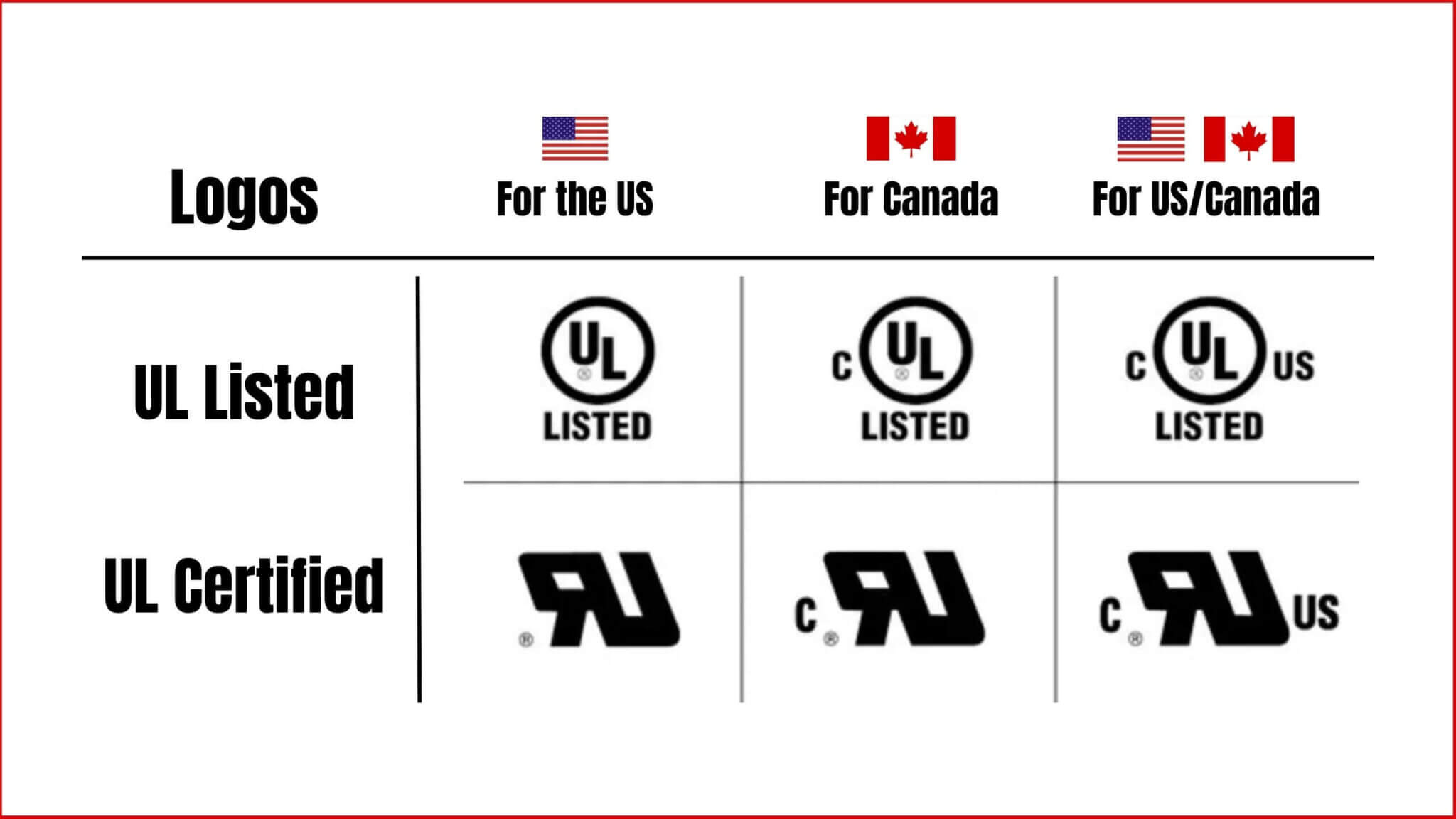
Underwriters Laboratories (UL) certifies safety, particularly for products with electrical or fire risks, like wiring in construction or fire-resistant materials. UL Listing means the product meets US safety standards, while UL Classified applies to specific conditions.
For imports, UL is crucial for North American markets, often compared to CE for Europe.
Material-Specific Certifications
Different materials have tailored requirements based on their use and risks.
Steel and Metals
Steel imports often need ASTM certifications for grades and testing. In the EU, CE marking under EN 1090 for fabricated steel is essential. For US, Section 232 tariffs may apply, requiring Certificates of Analysis (CoA) for chemistry and mechanical properties.
Anti-dumping duties (ADD) from Commerce Department target unfairly priced steel from countries like China. ISO 3834 for welding quality is also common.
Cement and Concrete Products
Cement requires ASTM C150/C595 or equivalent EN 197-1 for EU. Certifications ensure low alkali content to prevent reactions with aggregates. For ready-mix, batch certifications are needed.
Environmental certifications like EPD (Environmental Product Declaration) are rising for carbon footprint tracking.
Wood and Timber
Wood packing materials must comply with ISPM 15 (IPPC mark) for heat treatment or fumigation to prevent pests. For lumber, FSC or PEFC certifies sustainable sourcing.
In the US, APHIS permits are required for certain species, with veterinary certificates for by-products. EU Timber Regulation (EUTR) demands due diligence to avoid illegal wood.
Glass, Ceramics, and Composites
Glass needs safety certifications like ANSI Z97.1 for impact resistance. Ceramics (tiles) require slip resistance tests under ISO 10545.
Composites may need UL for fire ratings or CE for structural use.
Country-Specific Requirements
Regulations vary by destination.
European Union
CE marking is king under CPR. Importers must retain DoPs and ensure traceability. UK now uses UKCA post-Brexit, similar to CE.
United States
CBP oversees entry, requiring HTS classification, country-of-origin marking, and bonds. For preferences like GSP, Certificates of Origin are needed. EPA certifications for emissions in equipment are key.
Australia and Canada
Australia’s CodeMark or WaterMark for plumbing materials. Canada aligns with UL/CSA standards, often requiring CSA certification.
Importing from China
China exports require verifying CCC (China Compulsory Certification) for certain products, plus ISO/CE for global compliance. Use third-party inspections to confirm.
Essential Supporting Documents
Certifications don’t stand alone. Key docs include:
- Certificate of Origin (COO): Proves origin for tariffs/FTAs.
- Commercial Invoice and Bill of Lading: Details value, description for customs.
- Import Permits/Licenses: For restricted materials.
- Test Reports/CoA: From accredited labs.
Use HS codes accurately to avoid misclassification penalties.
Challenges and Best Practices
Common pitfalls: Fake certifications, supply chain disruptions, or changing regs (e.g., post-2025 updates). Costs for testing can reach thousands per product.
Best practices:
- Partner with certified suppliers and use brokers.
- Conduct audits and third-party verifications (e.g., Intertek).
- Stay updated via WTO or CBP resources.
- Leverage FTZs for deferred duties.
Conclusion
Navigating certifications for importing construction materials is complex but crucial. From CE and ISO to material-specific standards, they ensure your imports are safe, compliant, and competitive. By prioritizing these, you not only avoid legal issues but also contribute to better-built environments. If you’re starting an import venture, consult experts early—it’s an investment in success.